July 23, 2026
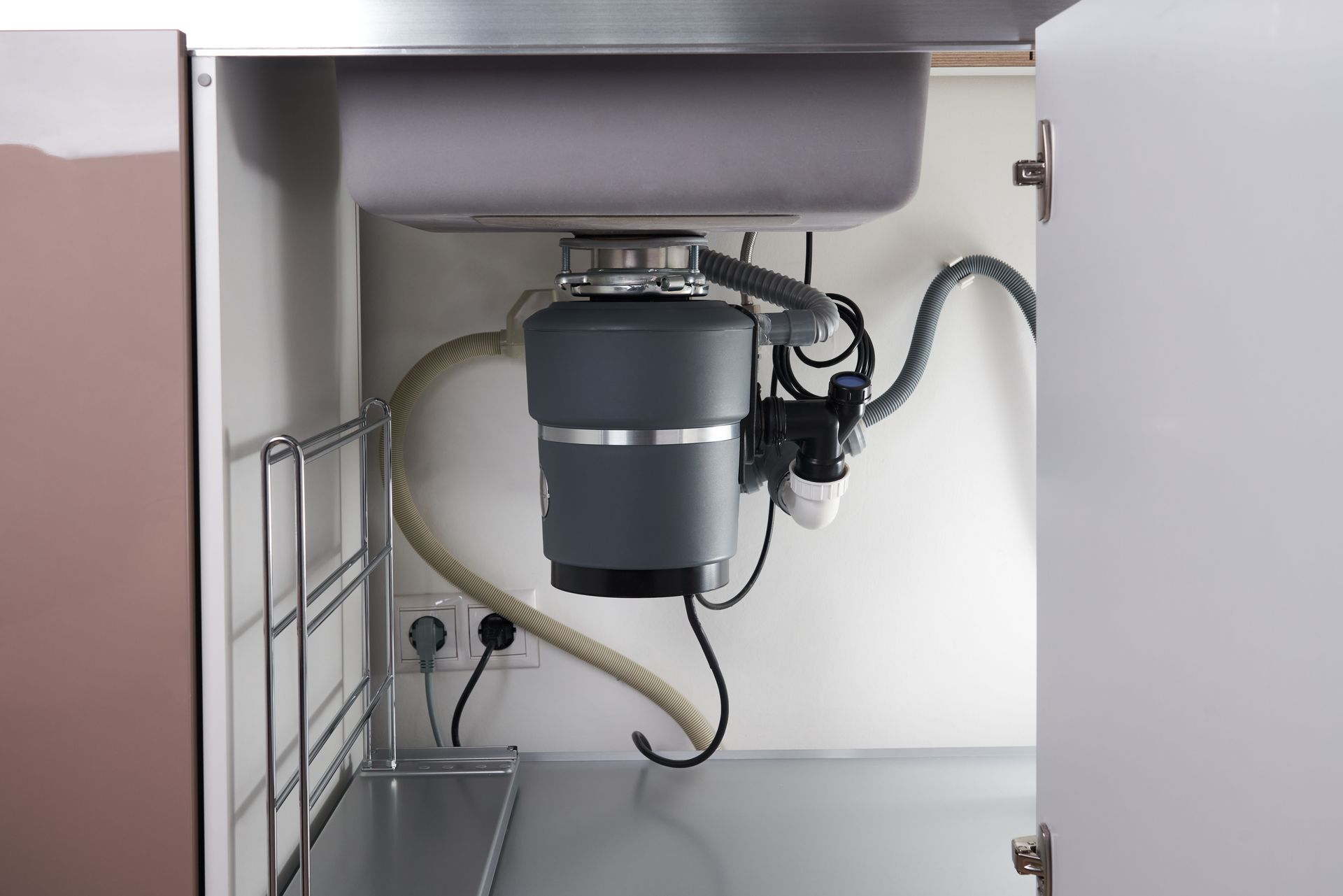
Maintaining a clean and functional kitchen requires a basic understanding of your sink drains and appliances. Many homeowners assume their under-sink appliances can shred absolutely any waste that goes down the drain. This common assumption often leads to sudden system breakdowns, expensive repairs, and massive kitchen cleanups.
Understanding what your kitchen drain can safely handle is the first step toward avoiding plumbing emergencies. When you toss random leftovers down the sink, you risk severe damage to the internal motor and grinding components. Let us examine the everyday items that can easily destroy your kitchen appliance.
Proper care preserves the longevity of your system and ensures your pipes remain clear of foul odors and obstructions. Taking the time to sort your food waste prevents sudden breakdowns and reduces stress. A little preventative maintenance goes a long way in keeping your home running smoothly.
1. Pouring Liquid Cooking Grease Down the Drain
Cooking grease is a major enemy of your kitchen plumbing system. While warm grease looks like a harmless liquid, it cools down very quickly inside your cold drainage pipes. Once cooled, it solidifies into a thick, sticky barrier that catches other food particles.
Over time, this accumulating grease creates a stubborn blockage that stops all wastewater from passing. The sticky residue can also coat the grinding components of your garbage disposal. This thick coating prevents the internal parts from spinning freely, which eventually burns out the appliance motor.
When the motor burns out, you are left with a completely non-functional sink basin. Liquid oils also accumulate deep within the public sewer lines, creating massive environmental blockages. Always pour your extra cooking oil into a disposable container instead of the kitchen sink.
2. Dropping Fibrous Vegetable Scraps Into the Sink
Fibrous vegetables pose a unique threat to the spinning components of your sink kitchen appliance. Stringy foods do not grind up easily when they meet the rotating impellers. Instead, these long, tough fibers wrap themselves around the spinning mechanism under the drain.
As more fibers wrap around the moving parts, the motor experiences massive resistance. This resistance can jam the garbage disposal entirely, forcing the unit to overheat and shut down. To protect your system, you should always throw these stringy vegetables into the trash can instead.
- Celery stalks and strings
- Asparagus spears
- Rhubarb stalks
- Corn husks and silk
- Artichoke leaves
3. Dumping Coffee Grounds Into the Basin
Coffee grounds might seem small enough to pass through your plumbing without causing any issues. However, these tiny, dense particles do not dissolve in water at all. When you dump them down the drain, they quickly accumulate in the lower traps of your pipes.
This accumulation creates a thick, paste-like sludge that acts like wet sand inside your plumbing. The heavy sludge can easily overwhelm a standard garbage disposal. Once the sludge settles, it blocks wastewater flow and creates a major clog that requires professional snaking.
Many homeowners mistakenly believe that coffee grounds act as a natural deodorizer for their sinks. In reality, they simply get trapped in the plumbing bends and catch other food debris. This combination forms an impassable barrier that completely stops your kitchen drainage system.
4. Feeding Expansion-Prone Starchy Foods to the Grind Chamber
Starchy foods pose a major threat to your kitchen plumbing because of how they react to water. When pasta, rice, or oats sit in water, they expand significantly and become incredibly sticky. This expansion continues long after the food has passed through the sink opening.
The sticky, expanded starch creates a thick paste inside your drain pipes that traps other debris. This paste can easily jam the moving parts of your garbage disposal. To keep your sink flowing freely, you must keep all expanding starches away from your kitchen drains.
Even small amounts of leftover spaghetti can swell to twice their size inside your pipes. The resulting gelatinous mass clings tightly to the inner walls of your drainage lines. This makes it incredibly difficult for standard water pressure to flush the system clear.
5. Throwing Hard Animal Bones Down the Disposal
Your kitchen grinding appliance is not designed to pulverize extremely dense, hard objects. Throwing tough animal bones into the chamber can cause immediate and severe damage to the metal components. The hard material can dull or completely break the spinning impellers inside the unit.
Additionally, large bone fragments can slip past the grinding chamber and get stuck in the drain line. When bones jam the garbage disposal, the motor hums loudly but cannot spin. This electrical strain can quickly ruin the internal circuitry of your kitchen appliance.
- Beef rib pieces
- Pork chop bones
- Chicken wing bones
- Hard turkey carcass parts
- Dense seafood shells
6. Inserting Tough Fruit Pits Into the Machine
Fruit pits are incredibly dense and virtually impossible for residential kitchen appliances to grind down. Dropping a hard peach or cherry pit down the drain is similar to dropping a rock. The spinning impellers will simply bounce off the hard surface, creating loud clanging noises.
According to This Old House, the six most frequent plumbing issues encountered by homeowners consist of leaking faucets, slow-moving or clogged drains, running toilets, low water pressure, issues with the water heater, and jammed garbage disposals. This shows how easily these machines can fail.
When a pit jams the garbage disposal, the system cannot function and may leak wastewater. Always dispose of these tough wooden seeds in your compost bin or trash. Taking this simple preventative step saves your system from total mechanical failure and expensive replacement costs.
7. Dropping Fibrous Eggshells Into the Appliance
Eggshells are another everyday kitchen item that can silently destroy your drainage system over time. While the shell itself seems brittle, it contains a tough, fibrous inner membrane. This thin membrane can easily peel loose during the grinding process and wrap around the components.
The tiny, sharp shell fragments also combine with grease to form an unyielding structural blockage. This gritty mixture settles in the pipe traps, slowing down the wastewater flow significantly. Over time, this sluggish drainage can completely halt the operation of your garbage disposal.
Protecting your drainage system requires consistent mindfulness about what enters the sink opening. Small adjustments to your cleanup routine prevent major mechanical damage and keep plumbing costs down. Your household will run much more efficiently when you treat your appliances with care.
8. Shoving Large Amounts of Leftovers Down at Once
Overloading your sink system is a guaranteed way to cause a severe plumbing backup. Even safe, soft food items can cause a massive system failure if shoved down simultaneously. The grinding chamber needs plenty of space and a steady stream of cold water to function.
When you pack the chamber full, the blades cannot reach operational speed to process waste. This sudden strain causes the motor to lock up, tripping your electrical breaker system. An overloaded garbage disposal will quickly stop working entirely, leaving you with a sink full of dirty water.
Always feed small portions of food debris into the drain gradually while running cold water. This allows the machine to process the waste efficiently and flush it completely away. Gentle operational habits prevent unnecessary wear and tear on the internal motor mechanisms.
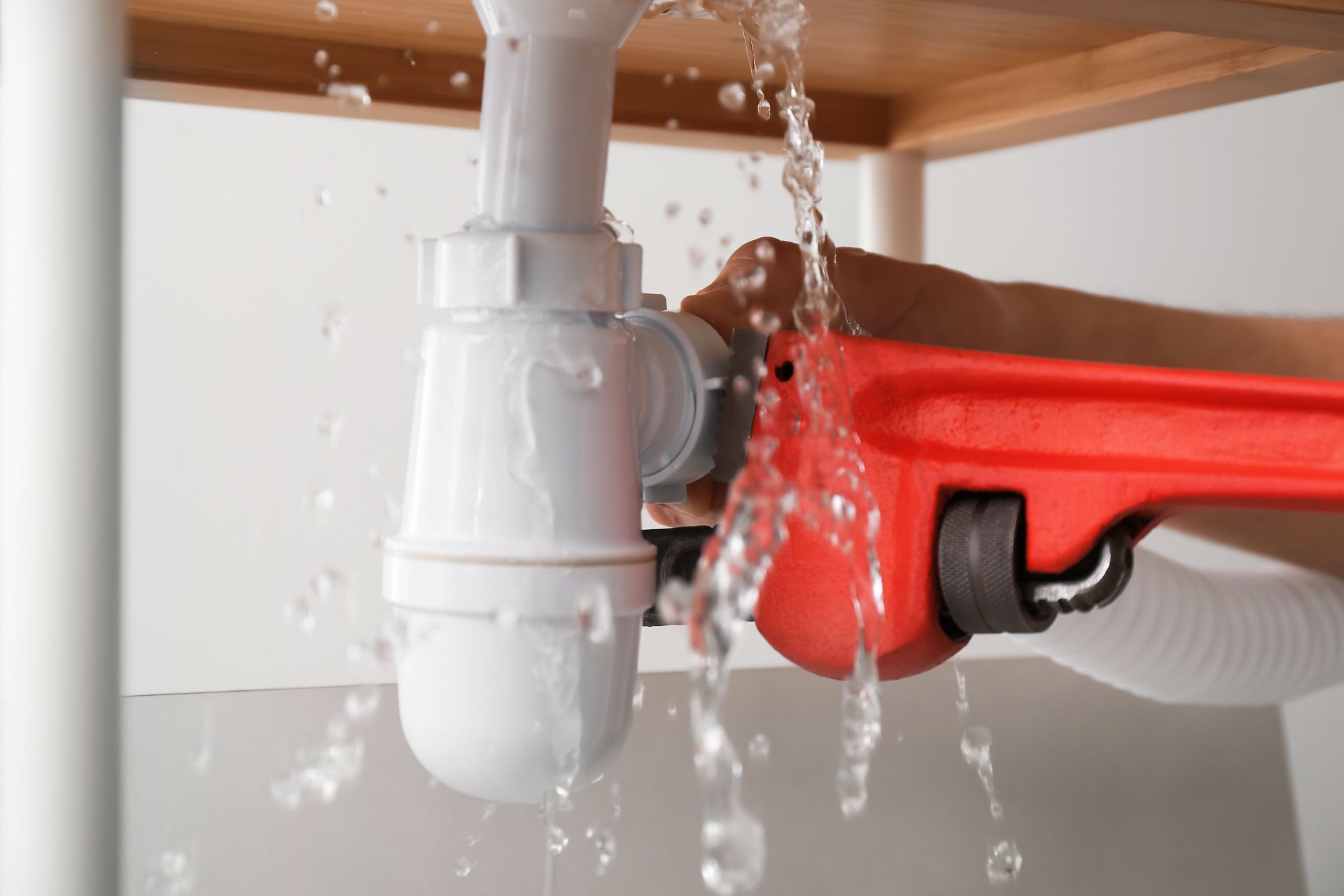
If you are currently dealing with a stubborn clog, a jammed system, or a leaking pipe, our experienced team is ready to help restore your home. Contact Dupps Plumbing, Inc to schedule a professional evaluation and get your kitchen back in perfect working order today.