November 24, 2026
Plumbing issues can arise without warning and often at the most inconvenient of times. From minor annoyances to potential disasters, these issues can disrupt daily life and cause significant water damage if not addressed promptly. Common plumbing problems, including dripping faucets, clogged drains, and low water pressure, often require professional interventions to ensure long-lasting solutions. Understanding these issues and the methods professionals use to manage them is essential for homeowners.
Engaging a professional plumber is crucial in diagnosing and rectifying these common issues. According to This Old House, the six most frequent plumbing issues encountered by homeowners consist of leaking faucets, slow-moving or clogged drains, running toilets, low water pressure, issues with the water heater, and jammed garbage disposals. By understanding how professionals handle these problems, homeowners can appreciate the importance of timely interventions and the benefits of hiring experts for effective and sustainable solutions.
1. How do plumbers fix leaky faucets?
1.1 Identifying the Cause of the Leak
Leaky faucets are a prevalent plumbing issue that can lead to increased water bills and water wastage if left unchecked. The first step any professional plumber takes is to accurately diagnose the source of the leak. This involves meticulous inspection of the faucet components, including the washers, seals, and valves. Understanding the root cause helps in devising an effective plan to stop the leak at its source.
Plumbers often employ advanced techniques to identify issues not visible to the untrained eye. They may dismantle the faucet to get a closer look at the internal components, ensuring that the root of the issue is correctly addressed without unnecessary replacements.
1.2 Replacing Worn Out Washers or O-rings
Once the cause is identified, faulty washers or O-rings are commonly replaced. Over time, these components can wear out due to constant use, leading to leaks. Replacing them can be a precise job that demands both patience and skill to avoid damaging the faucet body. A professional plumber is equipped with the knowledge to select the correct size and type of replacement part, a crucial factor in ensuring the repair is effective.
1.3 Using Specialized Tools
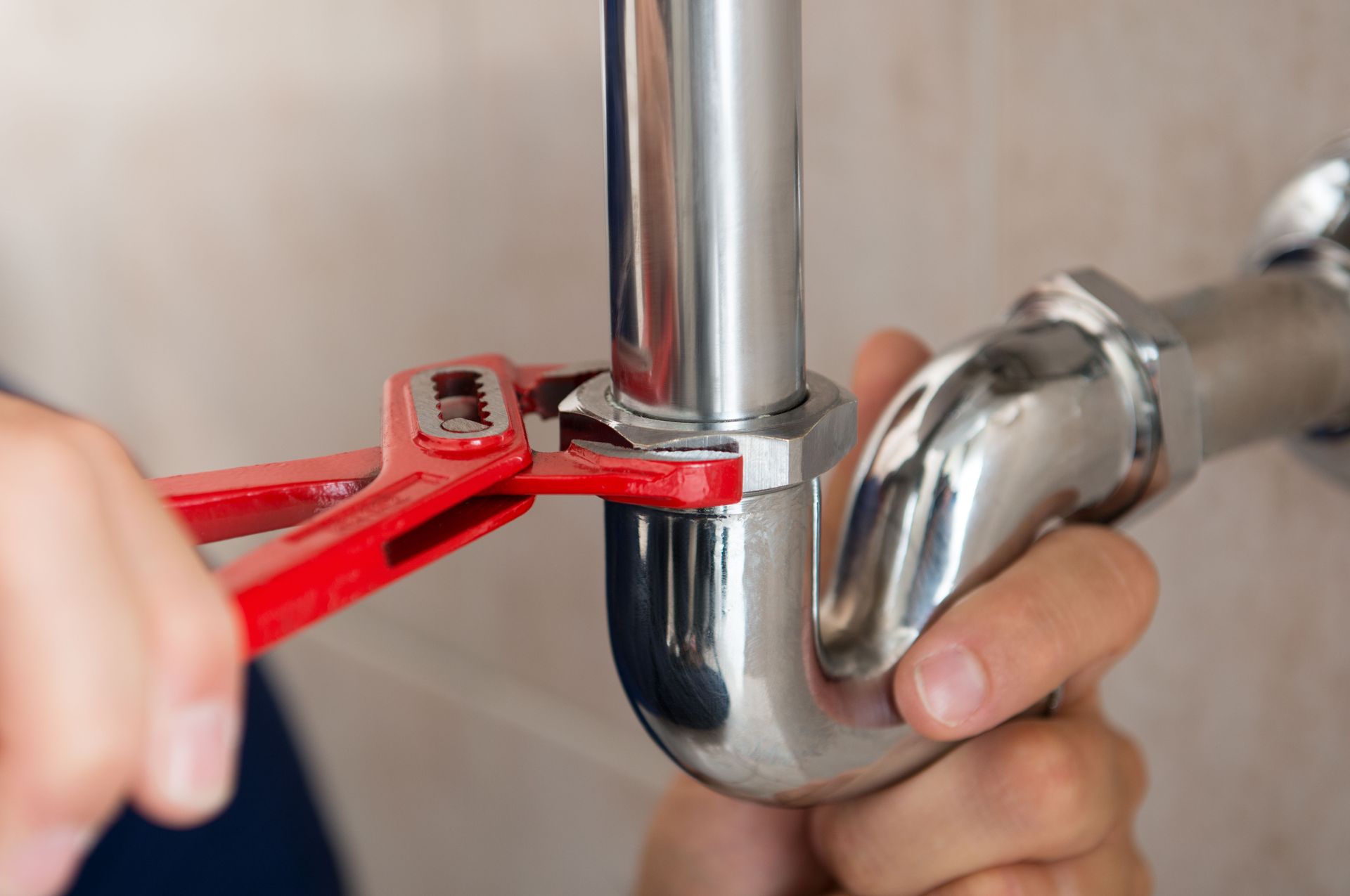
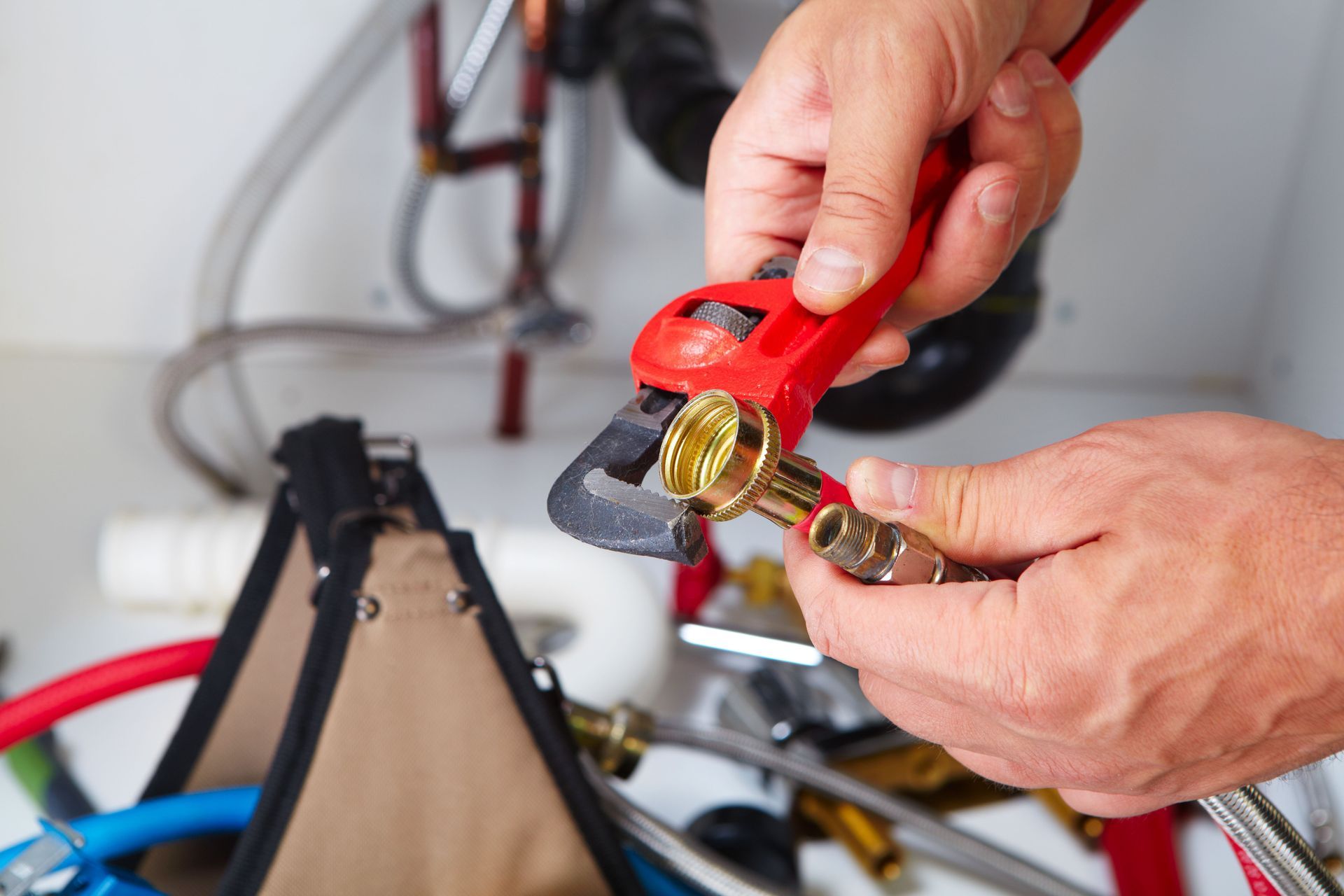
Professional plumbers have access to a wide array of tools specifically designed for faucet repair. These include basin wrenches, faucet pullers, and other specialized devices that allow them to perform repairs efficiently and minimize damage to surrounding fixtures. The proper use of these tools helps plumbers execute repairs safely and quickly, reducing the overall downtime of household plumbing functions.
1.4 Ensuring a Tight Seal
The final step in the repair process is ensuring a tight seal is achieved, preventing future leaks. Plumbers meticulously reinstall each component, applying the correct amount of torque to secure the assembly without causing damage. This attention to detail is vital to preventing recurrences and guarantees the longevity of the repairs performed.
2. What steps are involved in unclogging drains?
2.1 Drain Inspection and Diagnosis
Before any work begins, plumbers conduct a thorough inspection. Utilizing specialized cameras or manual inspection methods, they determine the severity and location of the blockage. This careful assessment helps in tailoring a targeted approach to clear the clog without causing damage to the plumbing.
A professional plumber’s skilled evaluation is often more reliable than generic do-it-yourself (DIY) methods, minimizing the risk of exacerbating the issue or causing additional harm to the plumbing system.
2.2 Use of Plumber's Snake or Auger
Once the inspection is complete, the appropriate tool, usually a plumber’s snake or auger, is chosen to tackle the blockage. These tools are engineered to reach deep into pipes where hands or common household tools cannot. Their flexible nature and design allow them to break down or retrieve clogs efficiently, restoring normal flow through the drains.
2.3 Chemical Solutions and Their Application
In some cases, chemical solutions are necessary to dissolve stubborn clogs. Professional plumbers apply these chemicals strategically to ensure they are effective while minimizing environmental impact and avoiding potential damage to pipes. Their trained eye guides them in selecting the correct type and quantity of solution for each situation.
2.4 Preventative Measures and Maintenance Tips
After clearing a clog, plumbers often offer advice on preventing future issues. They recommend regular maintenance tips, such as routine drain cleaning, the use of traps, and proper waste disposal. These preventative strategies help reduce the frequency of clogs and can significantly extend the life of the plumbing system.
3. How can plumbers detect and repair pipe leaks?
3.1 Identifying Symptoms of Pipe Leaks
Pipe leaks can lead to severe water damage and must be addressed immediately. Plumbers are skilled in identifying symptoms such as wet spots, mold growth, unusual noises, or increased water bills, which often indicate a leak within the plumbing system. Early detection is crucial in minimizing damage and repair costs.
Proper training allows plumbers to discern between different types of leaks and whether they require urgent attention or more routine repair techniques.
3.2 Non-Invasive Leak Detection Techniques
Modern technology offers plumbers non-invasive means of detecting leaks, such as acoustic detection or infrared thermography. These techniques enable plumbers to locate leaks without removing walls or flooring, making them a cost-effective and efficient solution to potential hidden problems.
3.3 Pipe Repair or Replacement Options
Once detected, there are various options for repairing or replacing pipes. Depending on the severity, plumbers may perform spot repairs or recommend full replacements. The decision is based on factors such as pipe age, material, and the relative cost of different options. Professional judgment ensures the most suitable method is selected.
3.4 Long-Term Solutions for Leak Prevention
Long-term prevention of leaks involves investing in high-quality pipes and sealing technologies. Plumbers advise on proper installation techniques and materials that can withstand local environmental factors, which minimizes the chance of future leaks and extends the life of the plumbing system, providing peace of mind to homeowners.
4. What are professional approaches to low water pressure?
4.1 Diagnosing Low Water Pressure Causes
Low water pressure can be indicative of various underlying plumbing problems. A professional plumber begins by identifying the potential causes, which may include obstructions, pipe corrosion, or pressure regulator malfunctions. Understanding the true cause is essential to make accurate and effective repairs.
A careful diagnosis by a qualified plumber helps avoid unnecessary replacements and focuses efforts on specific problem areas that are most likely to improve water pressure.
4.2 Replacing Faulty Pressure Regulators
If a pressure regulator is at fault, a plumber will test its performance and replace it if deemed necessary. Correct functioning of this device is crucial as it ensures that pressure levels remain optimal, preventing strain on the plumbing and reducing the risk of future leaks or bursts.
4.3 Addressing Pipe Corrosion
Pipe corrosion is another common culprit of low water pressure. Plumbers analyze the extent of corrosion, determining if sections need replacement or if alternative treatments can halt further damage. Innovative methods and materials are applied to prolong pipe life, enhancing the efficiency of the water supply.
4.4 Upgrading Plumbing Fixtures
Sometimes, the solution to low water pressure lies in upgrading plumbing fixtures. Plumbers can recommend and install fixtures designed to work efficiently with existing water pressure levels, optimizing performance without unnecessary strain on the system.
Professional plumbers play an indispensable role in maintaining and repairing household plumbing systems. By addressing common issues ranging from leaky faucets to more complex problems like water heater malfunctions, they ensure household operations continue smoothly and efficiently. Their expertise in diagnosing and implementing long-term solutions is crucial for preserving home value and ensuring the safety and functionality of plumbing systems. When faced with plumbing concerns, choosing a professional service is a wise investment for securing a reliable and enduring solution. Reach out to Dupps Plumbing, Inc today to see how we can help you!