May 27, 2026
The heart of a well-functioning home often lies within its walls, specifically in the complex network of pipes, valves, and fixtures that deliver water where it is needed most. While most property owners only think of calling professional help when a pipe bursts or a basement floods, the most effective work performed by plumbing experts actually happens before a single drop of water is misplaced. Understanding the proactive measures taken to prevent leaks is crucial for maintaining a safe and efficient residential or commercial environment.
By staying ahead through routine inspections, advanced technology, and proper material selection, professionals in the field minimize the risk of damage that can significantly impact property value. The industry is currently seeing a massive expansion to meet these needs. According to WifiTalents, the U.S. is expected to see approximately 12,500 monthly job openings for plumbers throughout the decade spanning 2023 to 2032. These specialized professionals do more than just fix broken faucets; they are the frontline defenders against water damage, ensuring both environmental and economic sustainability for the communities they serve.
Implementing Regular Inspection and Maintenance
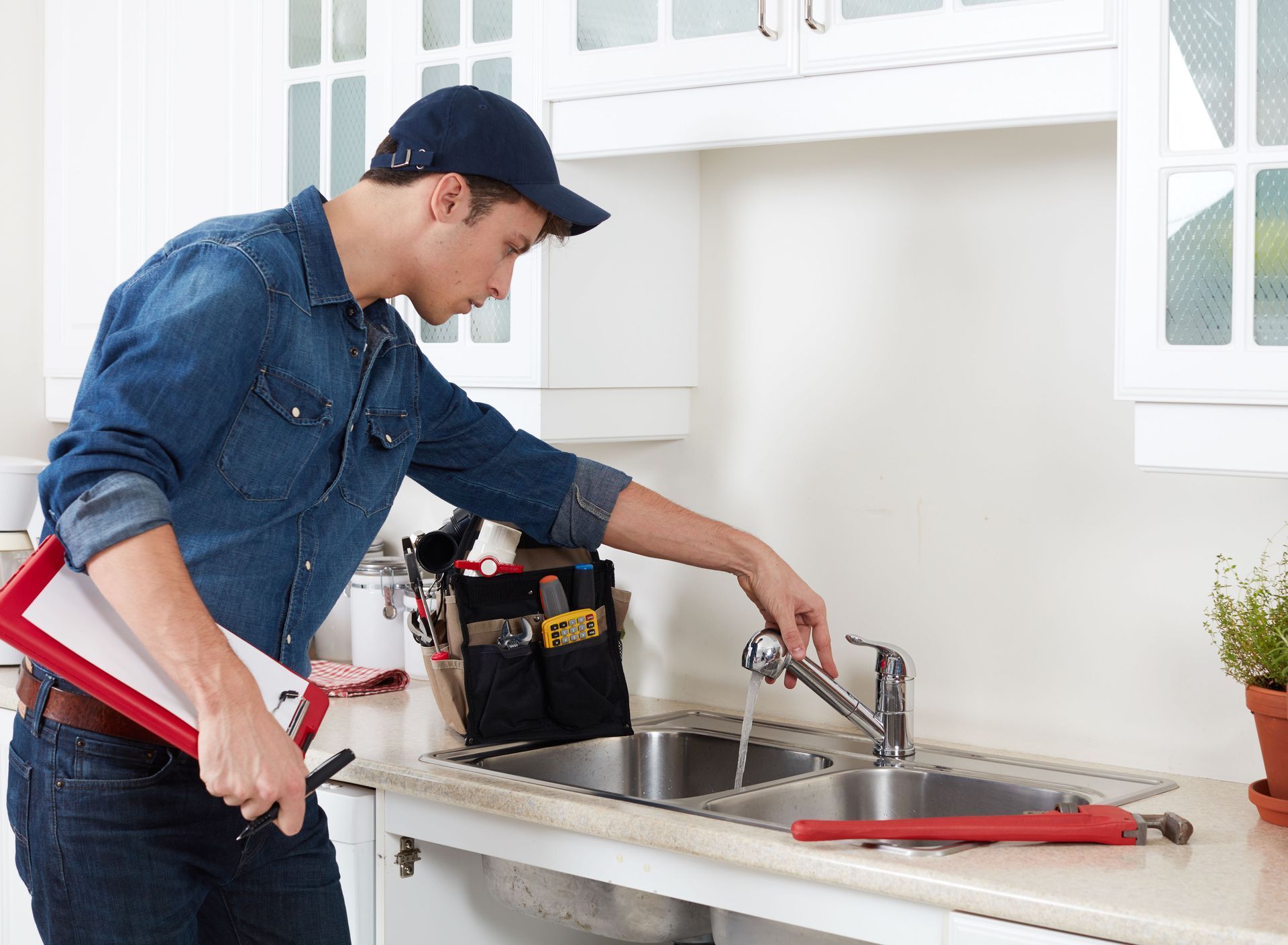
Regular inspections are a cornerstone of effective leak prevention. Establishing a schedule of routine check-ups allows for the identification of potential issues before they escalate into structural catastrophes. This proactive approach reduces the need for emergency interventions, saving homeowners considerable time and financial resources. By routinely inspecting joints, connectors, and plumbing stacks, technicians ensure that even the smallest indications of wear are not overlooked.
Identifying Early Warning Signs
Observation and attention to detail during regular inspections help in recognizing early warning signs of system failure. Experts look for visible moisture, subtle water stains, and any faint signs of mold or mildew, which can indicate slow, hidden leaks. Catching these issues early means less invasive repairs and contributes to longer-lasting infrastructure. It is this vigilance that prevents minor moisture from developing into major rot or flooding.
Flushing and Cleaning Systems
Routine cleaning of drain lines and flushing of water heaters are crucial for preventing the build-up of sediment that leads to blockages and internal pressure spikes. Using specialized equipment like hydro jetting services ensures that pipes remain unobstructed and function at peak efficiency. By following these procedures, mineral deposits that often cause corrosion-related leaks are minimized. This preventative step helps maintain both the operational quality and the internal health of the system.
Monitoring Corrosion and Pipe Wear
Corrosion is a silent threat that can compromise the integrity of older systems. Technicians utilize visual inspections and specialized meters to assess pipe wear and identify signs of oxidation. The adoption of advanced meters allows for more accurate detection of thinning pipe walls, even in sections not immediately visible to the naked eye. Addressing these issues promptly ensures the longevity of the entire network and helps in planning for necessary repiping service before a failure occurs.
Utilizing Inspection Cameras
Inspection cameras have revolutionized how modern plumbers evaluate difficult-to-reach areas. These fiber-optic devices provide a clear, high-definition view of the inside of sewer lines and wall cavities, making it easier to identify hairline cracks or root intrusions. By using these cameras, professionals can diagnose issues without dismantling walls or digging up lawns, saving both time and resources. This tool places a focus on precision, a key element in maintaining a well-functioning property.
Leveraging Advanced Leak Detection Technology
Acoustic leak detection uses sensitive sound technology to identify leaks in pressurized systems. By picking up on the unique high-frequency noises generated by water escaping a pipe under pressure, experts can pinpoint the exact location of a breach. This technique is especially useful in large, complex commercial plumbing systems where manual inspection is impractical. It ensures precision and minimizes the disruption caused by unnecessary excavation.
Applying Infrared Thermography
Infrared thermography provides an invaluable means of detecting moisture not visible to the human eye. This technology identifies temperature variances that suggest dampness behind tiles or beneath flooring. Thermal imaging cameras can scan a room and spot "cold spots" that indicate a slow leak, even before water damage is noticeable on the surface. This method underscores the role of modern science in advancing property protection.
Conducting Pressure Testing
Pressure testing is a critical component for verifying the durability of a new installation or a repaired section. By simulating various pressure conditions, technicians can identify any weak points that might fail under the stress of daily use. Regular pressure testing is part of a robust maintenance program that anticipates issues before they manifest into actual leaks. This focus on simulated conditions prepares the system to withstand the real-world demands of high-occupancy buildings.
Prioritizing Quality and Material Selection
The selection of high-quality materials is vital in preventing future failures. Professional plumbers assess factors such as resistance to hard water, mineral buildup, and extreme temperatures to determine the best choices for each home. Selecting materials that offer decades of longevity reduces the frequency of repairs. This selection process is grounded in both industry experience and a deep knowledge of the latest material advancements.
Investigating Modern Piping Advances
Modern advances in materials offer greater leak resistance than traditional galvanized steel or early plastics. Innovations in design have produced pipes and fittings that are more flexible and less susceptible to the cracking caused by shifting foundations or freezing temperatures. When combined with proper installation practices, these materials provide a robust defense against common leaks.
Focusing on Joint Innovations
Pipe joints are the most common points of failure, making innovation in this area vital. New techniques in press-fitting and mechanical joining help reduce the risks of human error during installation. Seeking out these innovations for every repiping service or new installation ensures that the most vulnerable parts of the system are its strongest. Continuous improvement in joint design is a major factor in modern leak prevention.
Training and Professional Expertise
Ongoing education is crucial to keeping plumbers updated on the latest preventative techniques. Professional standards and certifications ensure that these experts possess the necessary skills to address emerging challenges, such as integrating smart water shutoff valves into existing systems. This commitment to education is reflected in the effectiveness of the preventative measures they implement daily.
Honing Skills through Experience
Specialization in leak detection allows plumbers to develop a "sixth sense" for identifying problems. This expertise involves in-depth training on diagnostic tools and data analysis. This focus empowers them to implement more effective, tailored solutions for each client. Specialization highlights the dedication of these professionals to continually improving the safety of the homes they service.
Cultivating Effective Problem-Solving
Skilled problem-solving is essential for resolving issues before they become expensive emergencies. Professionals trained in critical thinking can quickly analyze a complex system, identify the root cause of a pressure drop, and implement a correction. Developing these skills involves understanding both common and rare causes of failure, ensuring that potential problems are rectified with confidence.
The preventative measures undertaken by skilled plumbers are the most effective way to maintain the integrity of your home's water systems. Through regular inspections, advanced detection technology, and the use of superior materials, potential disasters are managed before they can cause damage. Understanding these proactive techniques empowers homeowners to protect their investments and maintain a stress-free living environment.
If you are looking for an expert team to safeguard your home, we provide a full range of preventative and corrective solutions. From leak detection and plumbing repairs to water filtration system installation and backflow prevention, our technicians are equipped with the latest tools to ensure your system runs smoothly. Contact Dupps Plumbing, Inc today to schedule your professional inspection and ensure you have the most reliable plumbers protecting your property.