June 26, 2026
Understanding the importance of choosing the right water heater is vital for energy savings, comfort, and efficiency in your home. When it comes to selecting a new water heater, the decision ultimately boils down to two primary options: tankless or traditional water heaters. Both types serve the same basic function—providing hot water for domestic use—but they do so in distinctly different ways. Your choice will depend on multiple facets, including your household size, budget constraints, and installation space. This article will delve into the advantages and disadvantages of each type, providing a comprehensive guide to help you make an informed decision for your water heater replacement.
Understanding the Mechanics of Modern On Demand Technology
Tankless water heaters, also known as on-demand water heaters, provide hot water only as it's needed. They don’t store water internally; instead, they heat water when you turn on the tap. This process means hot water can be supplied continuously, which makes them ideal for homes with high-demand situations. In contrast to traditional water heaters, which maintain a reservoir of hot water, tankless options heat water only when required, offering increased efficiency. Their compact nature also makes them suitable for homes with limited installation space. When planning a water heater replacement, these mechanical differences are foundational to your long-term comfort.
Analyzing Efficiency Benefits and Longevity of On Demand Units
The primary advantage of tankless water heaters is their energy efficiency. Because they heat water only on demand, they can significantly reduce energy bills compared to traditional models. Another benefit is their size; they are much smaller than traditional units, allowing them to fit in tighter spaces. Moreover, tankless heaters typically offer a longer lifespan, often exceeding 20 years, when maintained properly. They are also known for providing an endless supply of hot water, a boon for large families or homes where multiple usages occur simultaneously, making them an excellent choice for a water heater replacement.
Navigating Upfront System Expenses and Financial Return Timelines
While the expense of purchasing a tankless water heater can be daunting, it’s essential to weigh this against potential long-term savings. Energy savings can be quite substantial over the lifespan of the unit due to reduced standby heat loss. However, the installation of a tankless system may involve additional costs such as venting and electrical upgrades. It's crucial to factor these costs when calculating your overall budget and potential savings for a water heater replacement. Notably, the federal government and some local utilities often offer rebates or tax incentives to offset the initial investment costs.
Examining Traditional Sizable Tank Systems and Visual Profiles
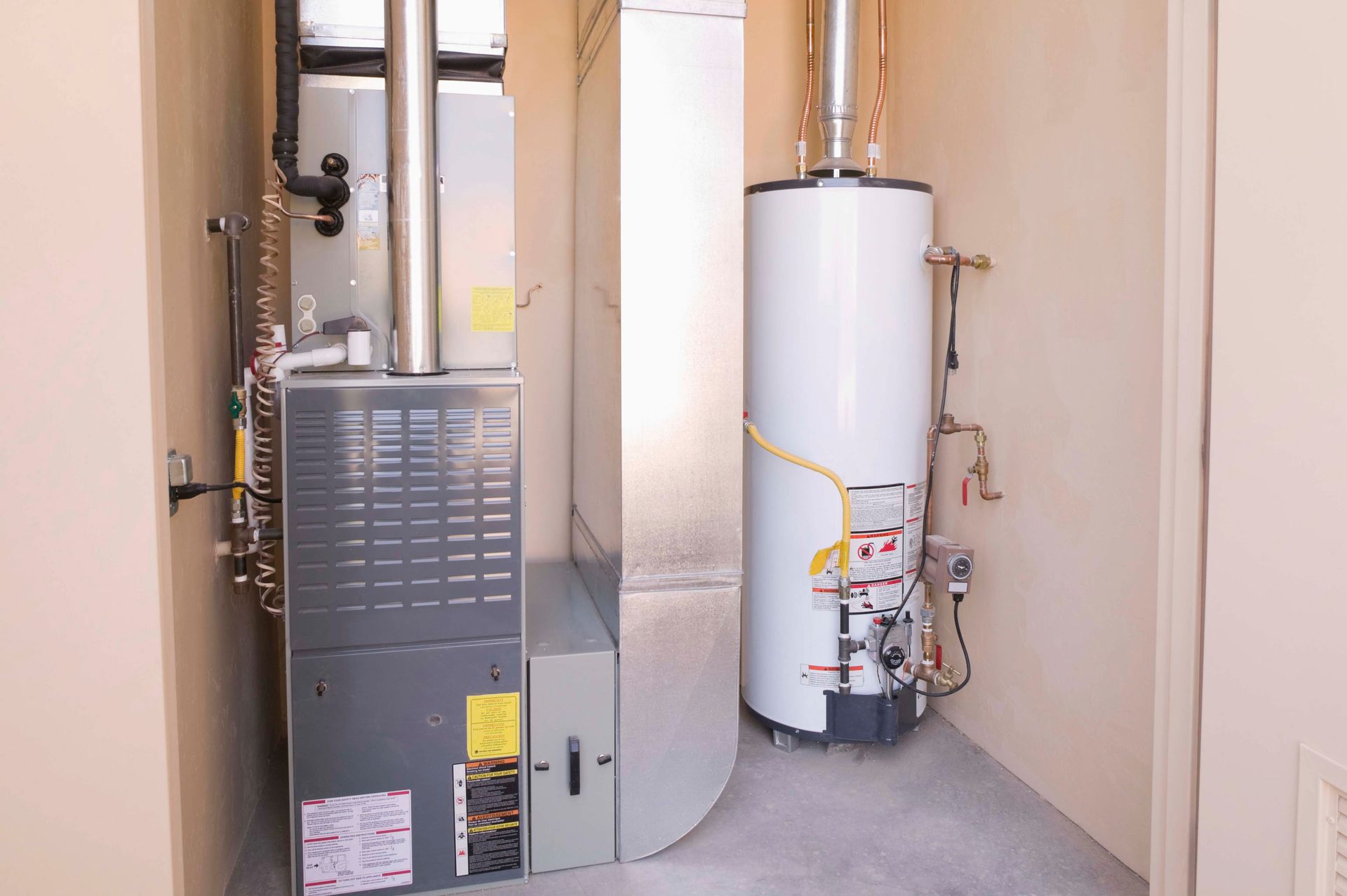
Traditional water heaters, also known as tank-style heaters, maintain a constant reservoir of hot water for immediate use when needed. The tank keeps water heated at a pre-set temperature, ensuring a ready supply available at any time. This type of system is often straightforward to install, particularly if replacing an old tank-style heater, as it usually doesn’t require significant modifications to existing plumbing. While varying capacities can accommodate different household sizes, they do require ample installation space. Generally, traditional tanks range from 20 to 80 gallons, with larger sizes providing additional hot water for extended use.
Reviewing Tank Storage Upfront Affordability and Scheduled Upkeep
One advantage of traditional water heaters is their lower upfront cost compared to tankless models. They are generally easier to install, especially in homes already equipped with a tank-style system. Traditional tanks ensure that a large volume of hot water is readily available, making them well-suited for scenarios requiring immediate usage, like multiple hot showers or laundry. Their simple design also makes them relatively easy to repair if problems arise. According to Home Advisor, a standard tank-style water heater can have a lifespan of up to 15 years if it receives regular and proper maintenance from industry professionals. This longevity highlights the value of quality care for your water heater replacement.
Identifying Space Constraints and Potential Thermal Energy Losses
Despite their advantages, traditional water heaters have limitations that potential buyers should consider. Primarily, their energy efficiency lags compared to tankless models, as they maintain a continuous reservoir of hot water, incurring standby energy losses. Larger tanks require more space, which isn't always available in smaller homes or apartments. Over time, sedimentary buildup can also reduce efficiency, increasing operating costs. Additionally, they typically have a shorter lifespan than tankless models, necessitating a water heater replacement every 10 to 15 years on average, depending on local water quality.
Comparing Operational Energy Efficiency and Total Carbon Footprints
Tankless water heaters are prized for their high energy efficiency, which can be a pivotal factor for many homeowners. By only producing hot water on demand, these systems eliminate the standby energy losses associated with traditional units. This reduced energy usage leads to utility savings, which can be significant over the year. However, the efficiency of tankless units can diminish if the demand for hot water exceeds their capacity, necessitating a well-planned system size. Regular professional maintenance, including descaling and filter cleaning, is crucial to retain their efficiency and longevity.
Assessing Household Daily Consumption and Peak Utility Demands
Household size is a critical consideration when choosing between tankless and traditional water heaters. Larger families often necessitate a significant hot water capacity, a criterion where high-capacity traditional tanks excel. In contrast, smaller households may find a tankless model more sufficient, providing endless hot water without the high demands of larger homes. The flexibility of a tankless system to accommodate fluctuating water usage patterns can be a deciding factor. Ultimately, an understanding of typical usage aids in selecting the model that best meets household requirements for a seamless water heater replacement.
Reviewing Installation Complexities and Current Line Modifications
Installing a tankless water heater can be more complicated than its traditional counterpart, often requiring professional assistance. Homes with existing tank water heaters may need electrical or gas line upgrades to accommodate the new system. It's also crucial to ensure proper venting, which can add to installation costs. Despite the complexity, the installation is a one-time cost that can lead to long-term energy savings. While it might seem daunting, a properly installed system delivers enhanced efficiency and reliability, aligning well with a lifestyle seeking convenience and environmental responsibility.
Projecting Real Estate Resale Value and Modern Home Inspections
The type of water heater can also sway future home resale value. Energy-efficient tankless heaters are becoming a desired feature in modern houses, appealing to eco-conscious buyers. Traditional heaters, while still common, may not contribute the same level of attraction unless exceptionally high efficiency is offered. When considering resale, homeowners should weigh potential buyers' preferences, alongside local market trends towards energy efficiency. Investing in a high-quality system that aligns with market demand can enhance the property's value and attract prospective buyers when you execute a water heater replacement.
Deciding between a tankless and a traditional water heater requires careful consideration of various factors including cost, efficiency, household needs, and long-term benefits. While tankless heaters offer unparalleled energy efficiency and longevity, traditional units provide reliable and immediate hot water supply, aligning well with certain usage patterns. Ultimately, the choice depends on evaluating your household's specific needs against each system's advantages and constraints. Armed with the right information, you can make an informed decision that suits your lifestyle and financial plans. For assistance with your next
water heater replacement, contact Dupps Plumbing, Inc.